
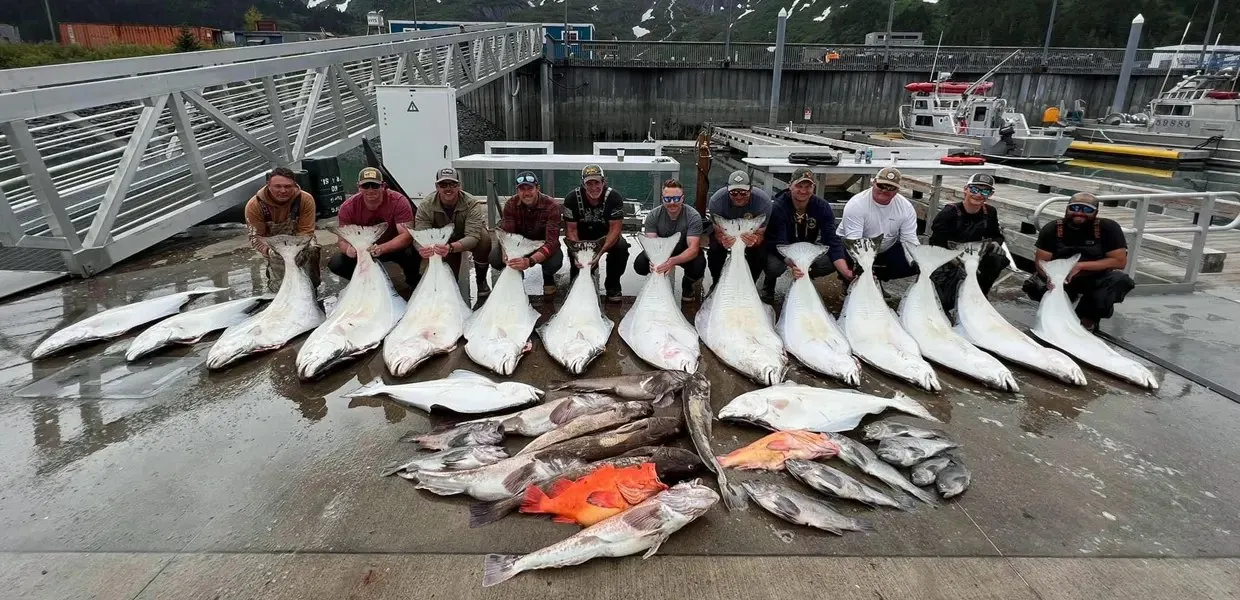
How does a Seward charter day work?
You arrive at the small boat harbour before sunrise, board, and run down Resurrection Bay to the grounds. The crew rig everything and run the fishing. The boat returns in the afternoon, and your catch goes to a processor at the harbour if you want it packed.
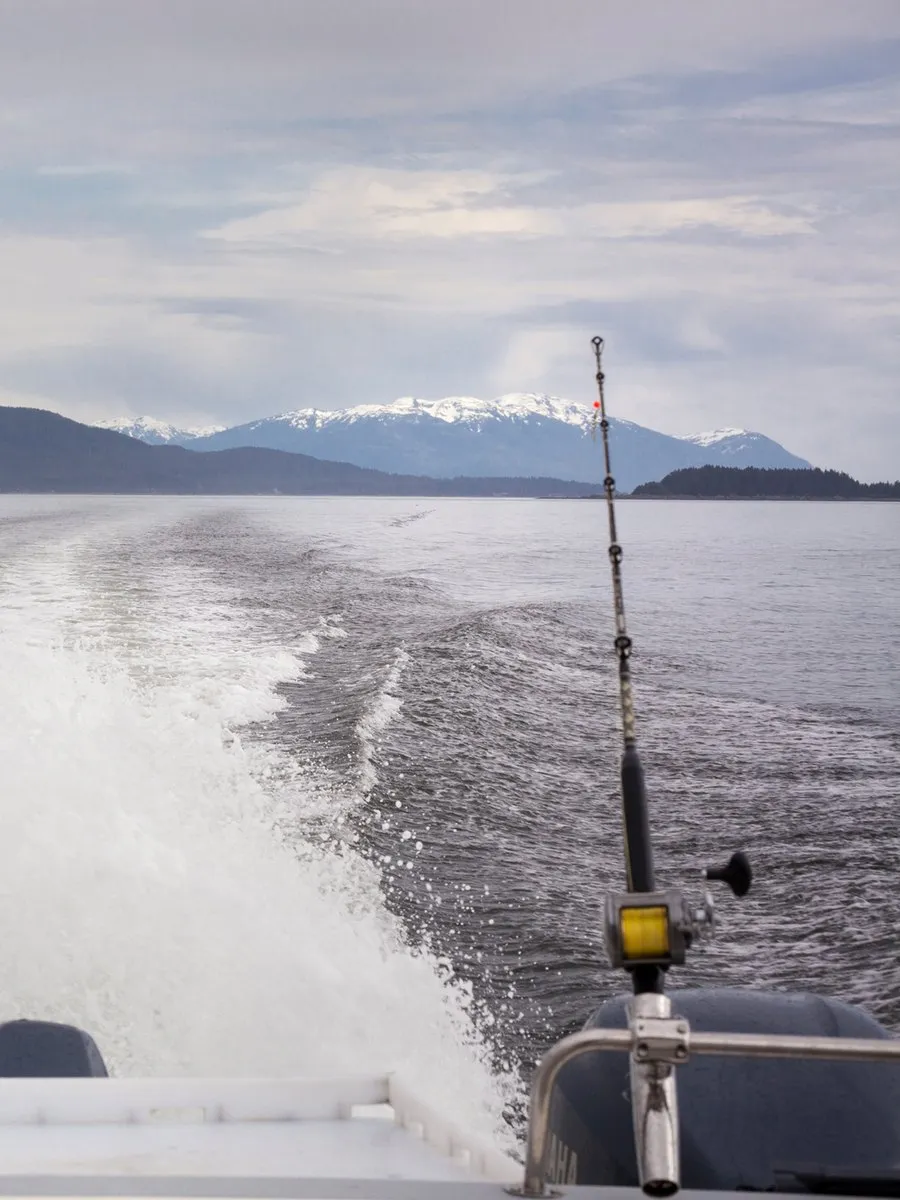
It starts in the dark, and colder than you planned for
You will be at the harbour before the sun is up. Seward in summer stays light very late, which fools people into underestimating the morning. It is cold at the water’s edge at that hour, and colder once the boat moves.
Give yourself more time than the drive needs, and ask the operator where to leave the car — this site has not checked Seward’s parking and will not guess at it.
The run out is a real part of the day
This is the thing that most changes how a trip feels, and in Seward it is also what separates the two trips. Silvers are fished closer in; halibut means carrying on out past the mouth of the bay. Time running is time not fishing.
Ask your operator how long the run usually is. It tells you more about the trip than the price does.
-
The night before
Confirm the dock call and the boat. Take seasickness medication if you need it — the night before, not the morning of.
-
Dock call
Arrive before the stated time, not at it. Find your float and your boat rather than the office — ask the operator which float when you book.
-
The run out
Dead time for you, working time for the crew. Get out of the wind. This is when seasickness starts if it is going to.
-
Fishing
Bottom fishing with heavy tackle. The crew bait and rig. You drop, wait, and do the work when something takes.
-
The run back
Longer than it felt going out. The crew clean up and sort the catch.
-
The dock
Your fish goes to a processor at the harbour if you want it packed. Settle the gratuity with the deckhand.
What is the fishing actually like?
Slower than television, and more physical than people expect. You drop a heavy weight several hundred feet and wait. Nothing happens for a while, and then something takes and you are working.
There is no casting and no skill barrier. The crew do the technical part. What you supply is patience and arms.
The crew are working, and the good ones are worth watching
A deckhand on a busy boat is rigging, baiting, untangling, gaffing and sorting, often for a full boat at once. They are the reason a first-timer catches anything, and they are worth watching.
Ask them things. Most are glad to explain what they are doing, and you will fish better for it.
Your fish does not come home in a carrier bag
A halibut is a large animal. If you keep one, you are dealing with real weight, and Seward has sport-fish processors at the harbour set up for exactly this. They will fillet, vacuum-pack, freeze and in many cases ship it.
That is a separate business from your charter and a separate cost. Work out before the trip whether you actually want to take fish home, because the answer changes what you book and what it costs.
The captain decides about weather
Resurrection Bay is sheltered; the Gulf of Alaska past its mouth is not. That is why a forecast can stop a halibut run while an inside day still goes. Cancelling or coming in early is a correct decision, not a nervous one.
What varies is what happens to your money afterwards. Ask about the cancellation and weather policy before you book, not after. The operator list has the four questions worth asking every one of them.
Questions about the day
What time does a Seward charter leave?
Early, and this site will not put a clock time on it. Every operator sets its own dock call and it moves with the season and the tide. The number your operator gives you is the only one that counts. Arriving before it costs you nothing; missing it usually costs the trip.
Do I need any experience?
No experience is needed. The crew rig the rods, bait the hooks and handle the fish at the rail. Bottom fishing for halibut needs no casting and no technique. If you can hold a rod and turn a handle, you can do this.
Do they clean your fish?
Usually, and it is worth confirming when you book rather than assuming. Sport-fish processors work at the Seward harbour and will fillet, vacuum-pack and freeze your catch, and some will ship it. That is a separate business from the charter and a separate cost.
Is a tip expected?
A gratuity for the deckhand is customary rather than optional in practice. This site publishes no percentage because the convention varies and inventing a figure would be worse than leaving you to ask. Ask the operator what is normal on their boat.
What happens if the weather turns?
The captain decides, and that call is not negotiable. The Gulf beyond the mouth of the bay can be genuinely dangerous, so cancelling is a correct decision rather than a cautious one. Ask before booking how refunds or credit are handled, because policies vary.
Can you keep everything you catch?
Limits apply per species, and for halibut they are set by the IPHC rather than by Alaska. The crew check every fish and release what cannot be kept. That is a legal obligation, not a judgement call.
Next step
Looking for fishing charters in Seward, Alaska?
Seward AK Fishing Charters is an independent guide — no boats, no bookings, nothing to sell. It exists so you can ask better questions before you hand an operator a deposit.
Seward AK Fishing Charters takes no bookings and earns nothing from a click. You book with the operator directly.